
Builder Association Transition
Smart Solutions for Seamless Living
Builder Association Transition

Formation of the Association
Legal Registration: The residents form and register an RWA/AOA under local/state laws (like the Societies Registration Act or Apartment Ownership Act).
Membership Drive: All flat owners are invited to join as members.
Election of Office Bearers: President, Secretary, Treasurer, etc.
Membership Drive: All flat owners are invited to join as members.
Election of Office Bearers: President, Secretary, Treasurer, etc.

Initiating the Transition Process
Formal Request to Builder: The association formally communicates its intent to take over operations.
Documentation Request: Ask the builder for detailed project documentation and statutory clearances.
Documentation Request: Ask the builder for detailed project documentation and statutory clearances.

Due Diligence and Audit
• Technical Audit:
• Structural quality
• MEP (Mechanical, Electrical, Plumbing) systems
• Fire safety systems
• Financial Audit:
• Review of maintenance collections and expenditures
• Pending dues or vendor payments
• Legal Audit:
• Title deeds, approved plans, occupancy certificate (OC), completion certificate (CC)
• Agreements with third-party vendors
• MEP (Mechanical, Electrical, Plumbing) systems
• Fire safety systems
• Financial Audit:
• Review of maintenance collections and expenditures
• Pending dues or vendor payments
• Legal Audit:
• Title deeds, approved plans, occupancy certificate (OC), completion certificate (CC)
• Agreements with third-party vendors
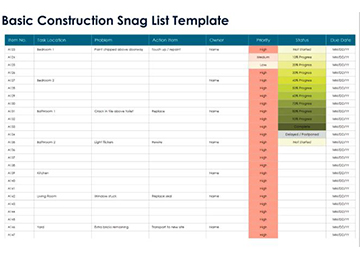
Snag List and Rectifications
• Joint Inspection: Association and builder inspect the premises and list defects (snag list).
• Resolution Timeline: Builder is given time to fix issues before handover.
• Resolution Timeline: Builder is given time to fix issues before handover.

Asset and Document Handover
Builder should hand over the following:
• Documents:
• Approved architectural and service drawings
• NOCs (Fire, Pollution, etc.)
• OC/CC, encumbrance certificate
• Maintenance manuals
• Physical Assets:
• Keys to utility/service rooms
• Inventory of all common area assets (pumps, DG sets, lifts, etc.)
• Service logs and AMC contracts
• Approved architectural and service drawings
• NOCs (Fire, Pollution, etc.)
• OC/CC, encumbrance certificate
• Maintenance manuals
• Physical Assets:
• Keys to utility/service rooms
• Inventory of all common area assets (pumps, DG sets, lifts, etc.)
• Service logs and AMC contracts

Operational Handover
• Facility Management Transition:
• Either take over existing vendors or onboard a new Facility Management company.
• Utility Transfers:
• Transfer of common area electricity, water, and other utility connections to the Association’s name.
• Either take over existing vendors or onboard a new Facility Management company.
• Utility Transfers:
• Transfer of common area electricity, water, and other utility connections to the Association’s name.
 Chat with us